A Complete Guide to Insurance Eligibility Verification in Healthcare
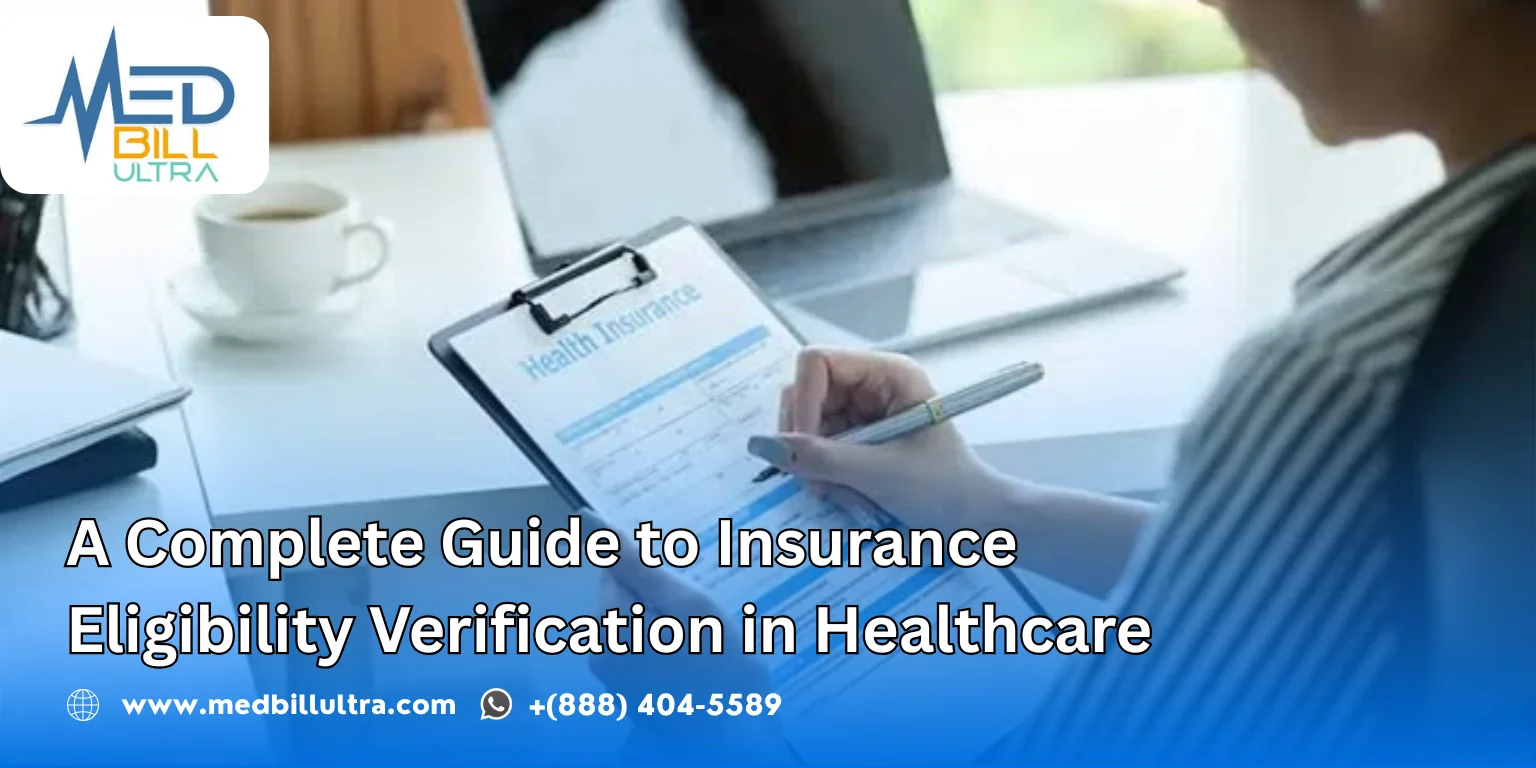
Insurance eligibility verification is one of the most important steps in the healthcare revenue cycle. Before providing medical services, healthcare providers need to know whether a patient’s insurance is active, what services are covered, and what financial responsibility may apply. Accurate verification helps providers avoid unexpected billing problems, reduce claim denials, and improve the overall patient experience. With modern medical billing technology such as Med Bill Ultra, healthcare organizations can make insurance eligibility verification more organized, accurate, and efficient. By improving the verification process, providers can strengthen revenue cycle management while reducing unnecessary administrative work.
What Is Insurance Eligibility Verification?
Insurance eligibility verification is the process of checking a patient’s health insurance coverage before or around the time healthcare services are provided. It confirms whether the patient’s insurance plan is active and helps determine the benefits available for specific medical services. The verification process may include checking the patient’s insurance policy, member information, coverage dates, copayments, deductibles, coinsurance, authorization requirements, and other plan details. Accurate information at this stage can prevent billing issues later in the revenue cycle.
Why Is Insurance Eligibility Verification Important?
Insurance eligibility verification is important because insurance coverage can change frequently. A patient who had active coverage during a previous visit may have a different plan or no active coverage during a future appointment. Verifying eligibility before treatment allows healthcare providers to identify potential coverage issues early. Instead of discovering an insurance problem after submitting a claim, the billing team can address the issue before or during the patient’s visit. This proactive approach can improve payment collection, reduce administrative delays, and create a smoother billing process.
How Insurance Eligibility Verification Reduces Claim Denials
Claim denials can significantly affect a healthcare organization’s revenue cycle. One common reason for denial is inactive or incorrect insurance coverage. When claims are submitted without confirming eligibility, providers may spend additional time correcting and resubmitting them. Accurate insurance verification helps identify coverage problems before claims are submitted. By confirming insurance status and patient information in advance, providers can reduce avoidable denials and improve first-pass claim acceptance.
Contact Us
Key Information Checked During Eligibility Verification
Insurance eligibility verification involves reviewing several important details related to the patient’s coverage. The billing team may confirm the patient’s insurance status, policy number, member identification, coverage dates, plan type, and payer information. It is also important to understand the patient’s financial responsibility. Information about copayments, deductibles, coinsurance, and out-of-pocket limits can help providers communicate expected costs to patients before services are delivered.
Understanding Patient Financial Responsibility
Patients often want to know how much they may need to pay for healthcare services. Insurance eligibility verification can help providers provide more accurate information about potential patient responsibility. When deductible amounts, copayments, coinsurance, and coverage limitations are identified in advance, healthcare organizations can communicate expected costs more effectively. This can reduce confusion and improve the patient’s overall experience with the provider.
The Role of Prior Authorization in Eligibility Verification
Insurance eligibility and prior authorization are related but different processes. A patient’s insurance may be active, but certain medical services may still require prior authorization before they are covered. During the verification process, billing and administrative teams should identify whether authorization is required for planned services. Failing to obtain required authorization can result in claim denials or unexpected patient responsibility.
Common Insurance Eligibility Verification Challenges
Healthcare organizations can face several challenges when verifying insurance eligibility. Patient information may be entered incorrectly, insurance cards may contain outdated details, or coverage may have changed since the patient’s last visit. Manual verification can also take significant time, especially for practices with a large number of patients and appointments. These challenges make it important for healthcare organizations to use efficient processes and reliable technology.
How Technology Improves Eligibility Verification
Technology can make insurance eligibility verification faster and more consistent. Digital systems can help healthcare teams organize patient information, manage insurance details, and reduce repetitive administrative tasks. Automated workflows can also help billing teams identify missing or inconsistent information before claims are submitted. This allows staff to spend more time handling complex billing issues instead of repeatedly performing manual checks.
Med Bill Ultra for Insurance Eligibility Verification
Med Bill Ultra helps healthcare providers manage medical billing and revenue cycle processes more efficiently. By supporting organized patient and insurance information, the platform can help billing teams improve the accuracy of their workflows. Using a modern medical billing solution can make it easier to identify insurance-related issues, manage billing information, and maintain a more consistent revenue cycle process. When eligibility verification is integrated into an efficient billing workflow, providers can reduce unnecessary delays and improve overall financial performance.
Improving the Patient Experience
Insurance verification is not only important for providers; it also benefits patients. Patients can become frustrated when they receive unexpected bills or discover that a service is not covered by their insurance. Verifying coverage before treatment allows healthcare staff to communicate relevant insurance and payment information more clearly. Better communication can help patients understand their financial responsibility and avoid surprises after receiving care.
Insurance Verification and Revenue Cycle Management
Insurance eligibility verification is an important part of revenue cycle management. The revenue cycle begins before a patient receives treatment, and accurate insurance information can influence many stages that follow. When eligibility information is correct, claims can be submitted with more confidence, payment processing can become smoother, and billing teams may spend less time correcting preventable errors. This supports a healthier and more efficient revenue cycle.
Best Practices for Accurate Eligibility Verification
Healthcare providers should make insurance verification a consistent part of their administrative workflow. Patient information should be reviewed carefully, and insurance details should be verified as close to the appointment as practical because coverage can change. Healthcare organizations should also maintain accurate patient records and establish clear procedures for handling inactive coverage, incorrect information, authorization requirements, and changes in insurance plans. Combining these practices with reliable billing technology can further improve accuracy.
Why Accurate Insurance Verification Matters for Healthcare Providers
Accurate insurance eligibility verification can have a direct impact on a provider’s financial performance. Incorrect insurance information can lead to denied claims, delayed payments, increased administrative costs, and additional work for billing teams. A well-managed verification process helps providers identify problems earlier and improve the overall efficiency of their revenue cycle. It also creates a stronger connection between front-office operations, clinical services, and medical billing.
The Future of Insurance Eligibility Verification
Healthcare organizations are increasingly adopting digital tools to simplify administrative and financial processes. As medical billing becomes more technology-driven, automated workflows and integrated revenue cycle solutions will continue to play an important role in insurance eligibility verification. Modern platforms such as Med Bill Ultra can help healthcare organizations manage billing processes more efficiently while reducing reliance on time-consuming manual procedures. Better technology can ultimately support faster payments, improved accuracy, and stronger financial management.
Conclusion
Insurance eligibility verification is a critical part of successful healthcare billing. Confirming insurance coverage before providing services can help providers reduce claim denials, identify authorization requirements, understand patient responsibility, and improve the overall revenue cycle. With an efficient medical billing solution such as Med Bill Ultra, healthcare organizations can streamline billing workflows, improve information management, and reduce avoidable administrative challenges. Accurate eligibility verification benefits both providers and patients by creating a more transparent, efficient, and reliable healthcare billing experience.
Higher Approvals, Faster Payouts: Specialized Chiropractic Billing

Error-Free Pediatric Billing: Maximize Practice Reimbursements
You Might Also Like
Higher Approvals, Faster Payouts: Specialized Chiropractic Billing

Error-Free Pediatric Billing: Maximize Practice Reimbursements